
Is Your Worksite Ready for a Hazardous Spill?
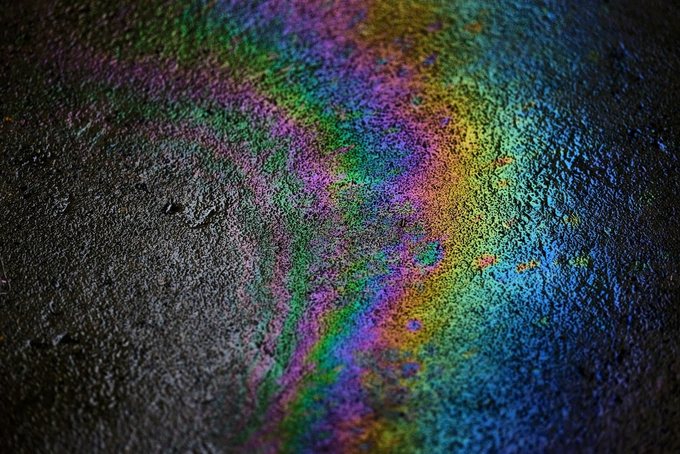
A leaking drum, failed transfer hose or damaged chemical container can turn into a serious worksite incident within minutes.
A chemical spill kit gives trained workers access to absorbents, PPE and clean-up equipment for hazardous liquid spills. But simply having a spill kit onsite is not enough, so see the guide below or contact EcoSpill today.

Chemical spills are not just a clean-up problem
It’s not about simply having a spill kit somewhere onsite. For businesses handling hazardous liquids, the cost of a poor response can extend beyond replacing a few absorbent pads.
Depending on the substance involved, a chemical spill can expose workers to burns, harmful vapours, corrosion, fire risk or environmental contamination. Businesses could also face operational downtime, specialist disposal requirements, remediation work, incident reporting and regulatory compliance risk if suitable controls and response equipment are not in place.
What is in a Chemical Spill Kit?
A chemical spill kit is designed to help contain and clean up spills involving hazardous liquids, including many acids, alkalis, solvents and other aggressive chemicals. Based on the kit size and intended application, contents may include:
- Chemical absorbent pads
- Absorbent socks or mini booms
- Chemical absorbent pillows
- Loose chemical absorbent
- Disposable waste bags and ties
- Chemical-resistant gloves
- Protective eyewear
- Disposable protective clothing
- Warning signs or barrier equipment
- Spill response instructions
Chemical absorbents are often colour-coded so workers can identify them quickly but colour should never be the only reason an absorbent is selected.
Workers should check the chemical’s Safety Data Sheet, or SDS, together with the spill kit specifications and site procedures. The SDS provides important information about hazards, PPE, emergency response, incompatibilities and disposal considerations. Workers responsible for chemical spill response should also be trained to interpret this information and apply the correct response procedures.
Chemical, Oil or General Purpose Spill Kit?
One of the most common spill response mistakes is assuming that one spill kit can be used for every liquid onsite.
Oil and Fuel Spill Kits are used for hydrocarbons such as diesel, petrol, hydraulic oil and lubricants. Their absorbents are designed to repel water, making them useful for wet areas and some stormwater or marine applications.
General Purpose Spill Kits are used for everyday non-aggressive liquids, including many water-based fluids, coolants and workshop spills.
Chemical Spill Kits are intended for hazardous or aggressive liquids where greater chemical resistance is required.
Using an unsuitable absorbent can result in an ineffective clean-up and may expose workers to unnecessary risk, so kit selection should start with the substances actually stored, transferred and used at the workplace.
Which workplaces should have Chemical Spill Kits?
Chemical spill kits may be needed anywhere hazardous liquids are stored, decanted, transferred or regularly used. Workplaces such as:
- Laboratories and testing facilities
- Chemical manufacturing areas
- Dangerous goods stores
- Battery charging areas
- Cleaning chemical rooms
- Agricultural chemical mixing areas
- Water treatment facilities
- Workshops and maintenance bays
- Loading docks and chemical delivery points
- Mining and resources operations
- Remote worksites
Placement matters just as much as kit type
A spill kit should be easy to identify and access without requiring a worker to cross through the spill itself. Site Managers should also consider nearby stormwater drains, vehicle movements, chemical transfer points, doorways and areas that could become inaccessible during an incident.
A single large kit at the opposite end of the site may not provide much value when a drum fails beside a chemical transfer area. On larger sites, several smaller kits positioned near identified spill hot zones may provide faster access.
An EcoSpill Workplace Spill Assessment can help identify these locations and highlight gaps between the spill risks onsite and the equipment currently available.
How to choose the right Chemical Spill Kit
- Check the chemicals used onsite
Start with the chemical register and current SDS for the hazardous chemicals workers store or handle. Review spill response information, PPE requirements, incompatibilities and emergency actions. - Consider the largest possible spill
Spill containment should be suitable for the type and volume of hazardous chemical being transferred. Do not base kit capacity only on the small containers workers use every day. Consider what could happen if there was a damaged drum, leaking bulk container, failed transfer hose or overflow, chemical delivery spill and pump or valve failure. - Check chemical compatibility
Confirm that the absorbents, PPE, bags and other equipment are compatible with the substances involved as some chemicals require specialist equipment. - Think about who is expected to respond
Identify which employees are authorised and trained to respond, what PPE is available and when the incident needs to be escalated. A spill kit should support the workplace response procedure already in place and not rely on untrained workers to enter an unsafe area just because equipment is nearby. - Position the kit around the actual risk
Keep kits near likely spill points, but outside the area most likely to become contaminated or inaccessible. Include spill kit locations in worker inductions, emergency procedures and site maps. Access should also remain clear. A correctly selected spill kit hidden behind pallets, equipment or locked doors will be of little use when an incident occurs.
Chemical spill training is part of site readiness
The best chemical spill kit is still limited if nobody knows what is inside it or when it should be used. Hazardous Spill Training helps prepare workers to:
- Identify the spilled substance
- Locate and interpret the relevant SDS
- Assess whether the spill is safe to approach
- Select suitable PPE
- Protect nearby stormwater drains
- Deploy socks, pads and absorbents
- Stop the spill from spreading
- Manage contaminated absorbents and waste
- Report and record the incident
- Escalate spills beyond the team’s capability
Ecospill provides three levels of spill training:
Spill Response Training for workers needing foundational spill response knowledge.
Hazardous Spill Training for workers dealing with chemicals, corrosives and other higher-risk substances.
Spill Management Training for Safety Officers, Site Managers, Supervisors and Emergency Response Teams responsible for coordinating spill readiness and response.
Training can be delivered online, onsite or using a hybrid format depending on your workforce and site requirements.
Inspect, Restock and Review Your Spill Kits
A chemical spill kit should not be treated as a one-off purchase. After use, kits should be inspected and restocked as soon as possible. Routine checks can also identify:
- Missing absorbents
- Damaged packaging
- Used or contaminated PPE
- Missing disposal bags
- Blocked access
- Poor signage
- Kits that have been moved
- Changes to nearby chemicals or work activities
Spill controls such as bunding, tanks, pumps, hoses and transfer equipment should also form part of the wider site review. Ecospill can assist with chemical spill kits, spill kit consumables, servicing and restocking, workplace spill assessments and tailored spill response solutions.
Spill Kit Servicing
Is Your Site Ready for a Chemical Spill?
Ecospill can help identify suitable chemical spill kits, assess kit locations, train workers and keep spill response equipment stocked and ready for use.
This article provides general information only and does not replace site-specific risk assessments, safety procedures or regulatory advice. Please speak to Ecospill to determine what is suitable and required for your business and industry to meet compliance and safety standards.
References
Safe Work Australia. (2021). Model Code of Practice: Managing risks of hazardous chemicals in the workplace. https://www.safeworkaustralia.gov.au/doc/model-code-practice-managing-risks-hazardous-chemicals-workplace
Workplace Health and Safety Queensland. (2025). Hazchem regulations. https://www.worksafe.qld.gov.au/safety-and-prevention/hazards/hazardous-chemicals/hazchem-regulations