
Hands-On Training: A Step-by-Step Guide to a Successful Spill Drill
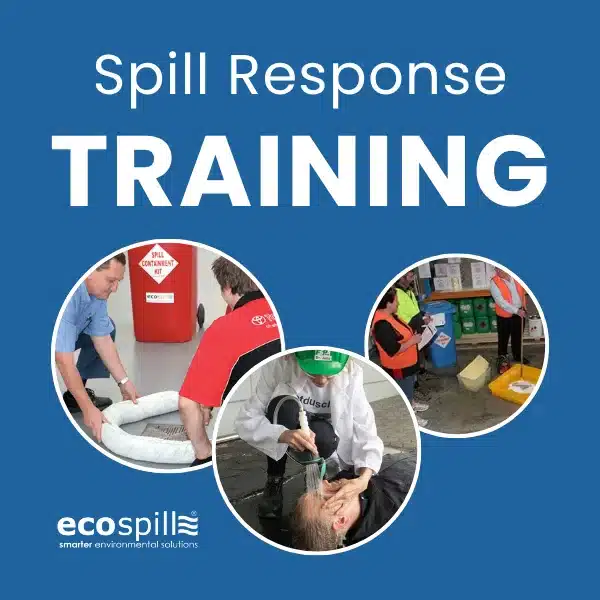
Effective spill response requires muscle memory that develops through repeated practice. Workplace spill drills transform theoretical knowledge into practical skills that protect workers and facilities during actual emergency situations.
Pre-Drill Planning: Setting Up for Success
Successful spill drills begin with careful scenario planning that reflects genuine workplace risks. Generic training scenarios often fail to address facility-specific hazards and response challenges.
Hazard Assessment and Scenario Development
Review your facility’s chemical inventory to identify the three most likely spill scenarios. These typically include the largest volume containers, most frequently handled materials, and highest-risk storage locations. Realistic scenarios create training value that transfers directly to actual emergency situations.
Document container sizes, chemical properties, and storage locations for drill scenarios. This information helps determine appropriate response equipment and establishes realistic cleanup timeframes. Scenarios should challenge responders without creating overwhelming situations that discourage participation.
Equipment Preparation and Staging
Position spill kits and response equipment in normal storage locations rather than pre-staging materials at drill locations. This approach tests workers’ knowledge of equipment locations and identifies potential access problems during actual emergencies.
Prepare safe substitute materials that simulate actual spill characteristics without creating hazards. Coloured water represents water-based chemicals, whilst vegetable oil simulates petroleum products. These substitutes allow realistic training without exposing workers to actual chemical hazards.
Drill Execution: Structured Response Procedures
Effective drill execution follows standardised procedures that build consistent response habits across all facility personnel.
Initial Response Phase: First 60 Seconds
Start timing immediately when the spill scenario begins. The first responder should demonstrate the basic spill response sequence: assess hazards, don personal protective equipment, and begin containment efforts. Document response times for each critical action.
Observe whether responders properly assess hazard levels before approaching spills. Workers should identify chemical types, estimate spill volumes, and determine whether the incident exceeds their training levels. This assessment phase prevents workers from attempting responses beyond their capabilities.
Containment and Cleanup Execution
Monitor absorbent application techniques during drill scenarios. Common errors include insufficient absorbent quantities, improper placement patterns, and premature cleanup attempts. Proper absorbent application starts at spill edges and works toward the centre to prevent spreading.
Document PPE selection and usage throughout cleanup phases. Workers should maintain protective equipment until final decontamination steps are complete. Removing gloves or goggles prematurely during cleanup creates unnecessary exposure risks.
Communication Protocols During Response
Evaluate communication effectiveness between responders and supervisory personnel. Clear communication includes initial incident reporting, resource requests, and completion notifications. Poor communication often extends response times and creates coordination problems.
Test notification procedures for incidents that require external emergency services. Workers should understand when spills exceed internal response capabilities and require professional hazmat teams. This knowledge prevents dangerous situations where workers attempt responses beyond their training levels.
Observer Roles: Objective Performance Assessment
Designated observers provide structured feedback that improves individual and team performance during subsequent drills and actual emergencies.
Checklist Development and Usage
Create standardised checklists that cover each drill phase systematically. These checklists ensure consistent evaluation criteria across different observers and drill scenarios. Include specific time benchmarks for critical actions like PPE donning and initial containment efforts.
Focus observations on safety procedures rather than cleanup speed. Proper safety practices prevent injuries that far exceed any time savings from rushed cleanup efforts. Document both correct procedures and improvement opportunities for post-drill discussion.
Data Collection for Trend Analysis
Record response times, equipment usage patterns, and common procedural errors across multiple drill sessions. This data reveals training trends and identifies workers who require additional instruction. Trend analysis also highlights equipment deficiencies or storage location problems.
Track improvement rates following targeted training sessions. Individual performance metrics help identify workers ready for advanced training roles and those requiring additional basic skill development.
Post-Drill Debriefing: Learning Reinforcement
Immediate post-drill discussions reinforce correct procedures and address observed deficiencies whilst training experiences remain fresh in participants’ memories.
Structured Feedback Sessions
Begin debriefing with positive observations about correct procedures and effective teamwork. This positive approach encourages continued participation and maintains training enthusiasm across the workforce.
Address improvement opportunities systematically using specific examples from the drill scenario. Generic feedback provides limited learning value compared to specific observations about equipment usage or communication effectiveness.
Action Item Development
Identify specific corrective actions based on drill observations. These might include equipment relocations, additional training sessions, or procedure modifications. Assign responsibility and timeframes for each action item to ensure follow-through.
Document lessons learned for incorporation into future training sessions and emergency response procedures. This continuous improvement approach ensures training programs evolve with facility needs and regulatory requirements.
Frequency and Scheduling Considerations
Regular drill schedules maintain competency levels whilst accommodating operational requirements and regulatory compliance obligations.
Regulatory Compliance Requirements
Australian WHS regulations require regular emergency response training for workplaces handling hazardous materials. Most facilities conduct quarterly spill drills to maintain compliance and ensure skill retention. High-risk facilities may require monthly training sessions.
Schedule drills during different shifts to ensure all workers receive training opportunities. Day, afternoon, and night shift workers face identical spill risks but may have different response resources available during emergencies.
Well-executed spill drills develop the competency and confidence workers need during actual emergency situations. Structured drill programs that include realistic scenarios, objective observation, and thorough debriefing create measurable improvements in response effectiveness.
Professional spill response training programs provide expert instruction and standardised procedures that enhance internal drill effectiveness. Contact Ecospill today to develop customised training solutions that build your workforce’s emergency response capabilities through proven hands-on methodologies.