
An Empty Spill Kit Is Just an Expensive Bin: Why “Set and Forget” Puts Your Site at Risk
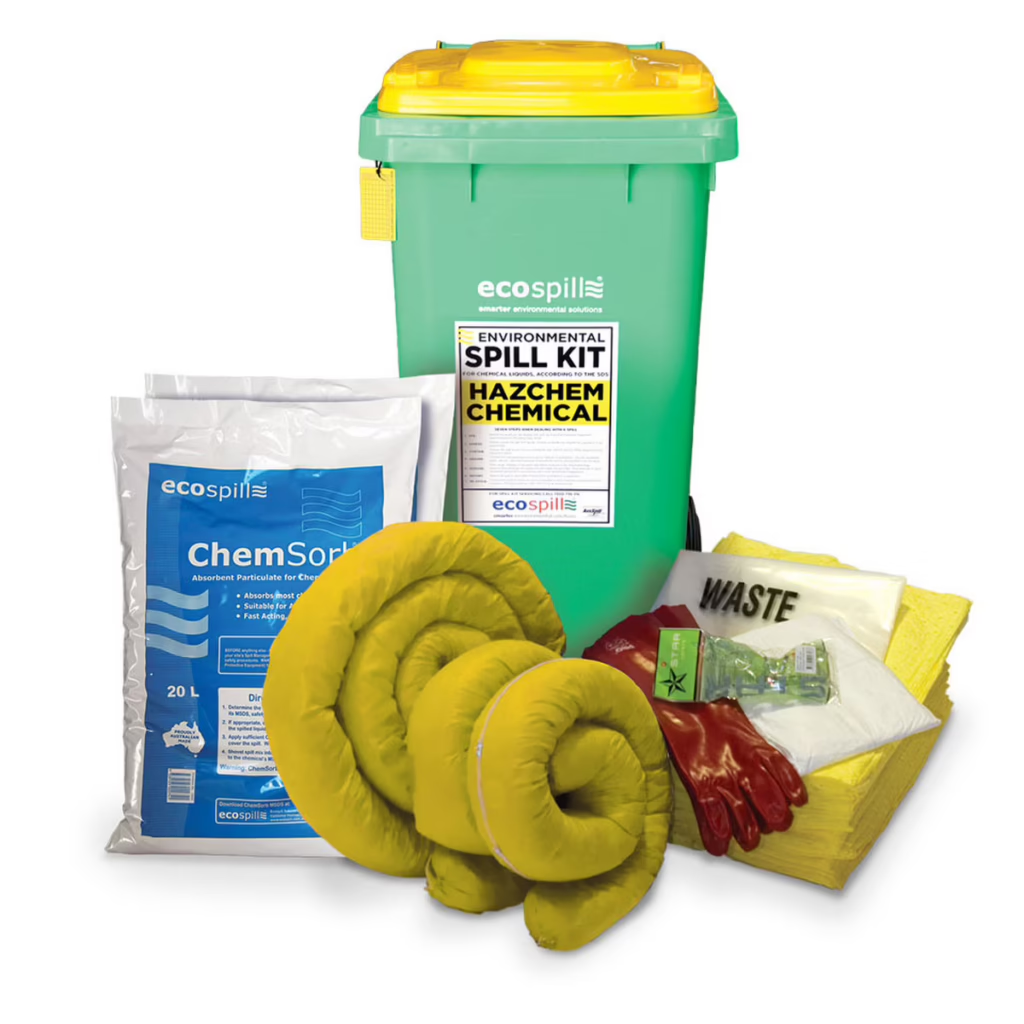
Walk through any Australian industrial facility, warehouse, or transport depot, and you’ll likely see them: bright yellow or blue spill kit wheelie bins parked near high-risk zones. They sit next to fuel bowsers, chemical stores, and loading docks, giving site managers peace of mind.
But when was the last time someone looked inside them?
On busy worksites, spill kits suffer from what we call ‘slow drain.’ A small hydraulic leak gets cleaned up with a handful of absorbent pads. Someone borrows an absorbent land sock to block a temporary workshop drip. EcoSweep powder gets used for a routine floor tidy-up.
Bit by bit, the kit gets raided. Unless those items are replenished immediately, you aren’t left with a spill response system, you’re left with an expensive bin filled with empty promises.
The Hidden Costs of an Understocked Spill Kit
Under Australian Work Health & Safety (WHS) regulations and state EPA guidelines, having equipment on site isn’t enough; it must be operational and fit for purpose at all times.
If a severe chemical or fuel spill occurs today and your team opens a half-empty kit, the consequences can escalate fast:
- Delayed Containment: Workers waste critical minutes searching for extra absorbents while liquid flows toward stormwater drains.
- Regulatory Fines: EPA and WHS inspectors audit what’s inside your spill kits. Broken seals, missing PPE, or missing absorbents can lead to immediate compliance notices and hefty fines.
- Preventable Injuries: Incomplete kits mean workers often improvise – using inappropriate rags or skipping essential Personal Protective Equipment (PPE), leading to chemical burns or slip hazards.
- Huge Remediation Costs: Uncontained spills that enter soil or waterways require specialised environmental cleanup services costing exponentially more than a simple spill kit refill.
Remember: A spill kit isn’t a one-time purchase. It is a dynamic line of defense that requires routine monitoring and immediate restocking.
The 30-Second Spill Kit Inspection Checklist
You don’t need a complex procedure to keep your site safe. Instruct your site supervisors or OHS officers to run this 30-second audit on every kit across your facility this week:
- Is the Tamper Seal Intact?
Ecospill kits come with high-visibility cable seals. If the seal is broken, assume the kit has been opened and items are missing. - Are Core Absorbents at Full Capacity?
Check pad counts, verify land sock availability, and ensure loose absorbents (like EcoSweep XTRA) are filled to the designated capacity level. - Are Disposal Supplies Ready?
A spill isn’t clean until it’s safely contained and disposed of. Ensure heavy-duty anti-static disposal bags, cable ties, and the correct SDS (Safety Data Sheet) are inside.
Refill or Service: What’s the Best Option for Your Site?
Restocking doesn’t mean buying a brand-new complete kit every time. Ecospill makes it easy to maintain your site’s readiness:
- Do It Yourself (Quick Top-Ups): Order individual consumables, from loose absorbents and replacement pads to land socks with fast dispatch nationwide. Remember to log in with your ABN to claim your Trade Pricing.
- Set & Forget (Professional Servicing): Offload the compliance burden entirely. Ecospill provides routine Spill Kit Servicing and Restocking, where our trained safety technicians audit, clean, and replenish your kits on a schedule tailored to your site’s risk profile.
Is Your Site Audit-Ready?
Don’t wait for an emergency (or an environmental auditor) to expose a missing item in your spill kit.
Shop Spill Kit Consumables & Refills | Book a Workplace Spill Assessment & Servicing Visit